
Selected clips
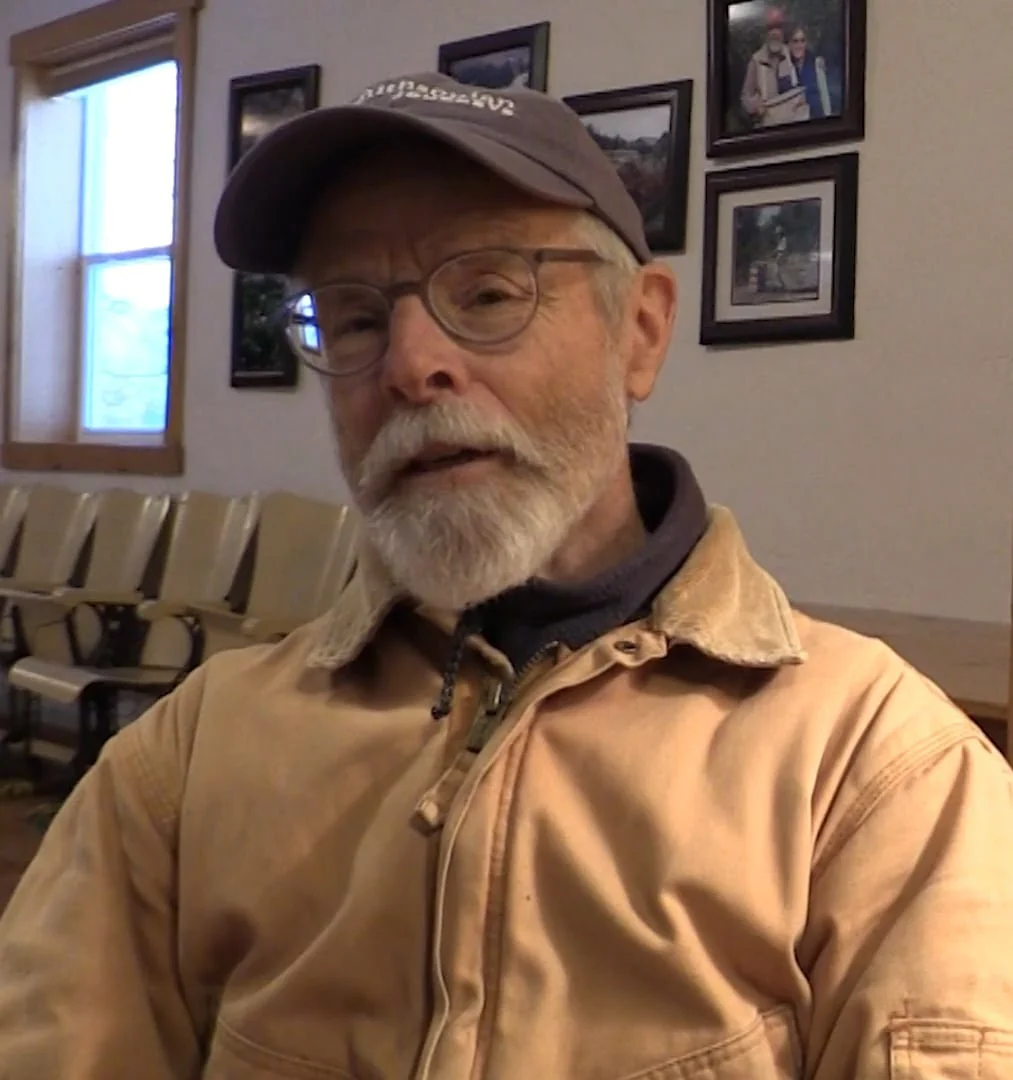
Dwight Filer, president, Twisp Valley Grange
“From its earliest days, the Grange welcomed women and African-Americans.”

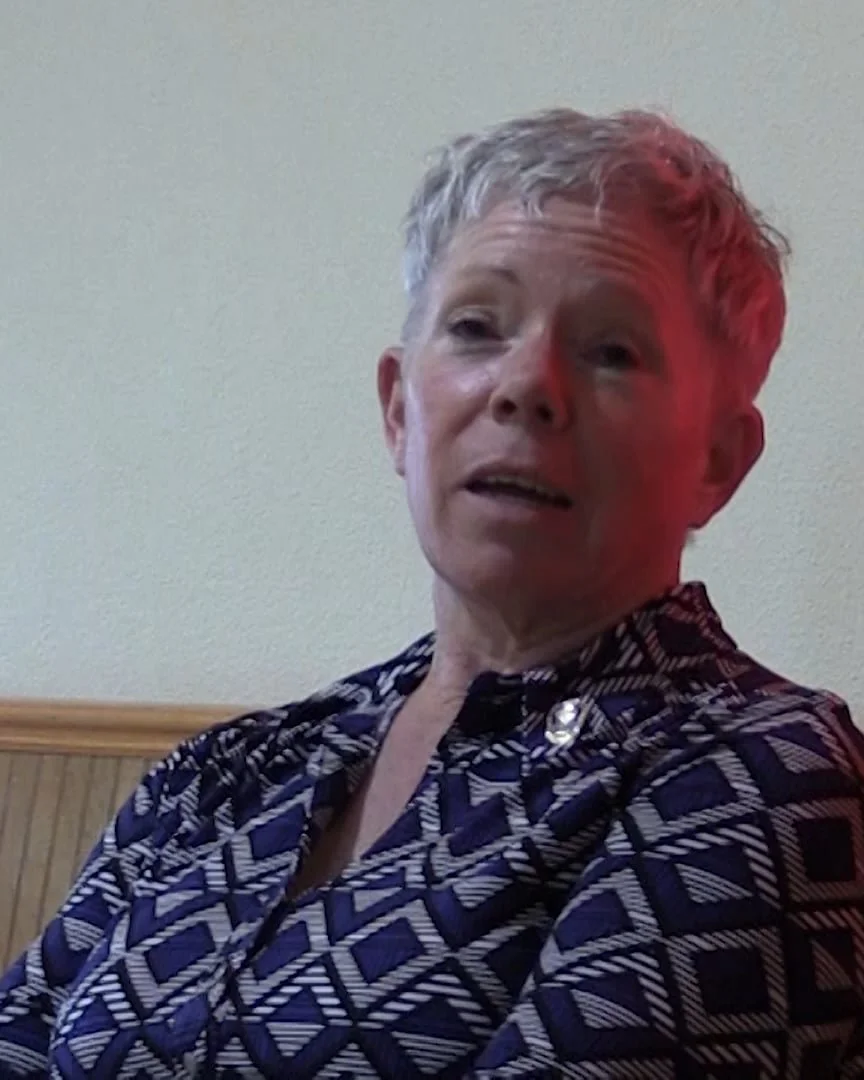
Lira Flores, Secretary, Alpine Grange
Lira Flores, a graduate student in social work, talks about reactivating the Grange in her community of Little Rock, CA.
Chris Hamp, president, National Grange
“This organization can make a difference in every community in the country.”
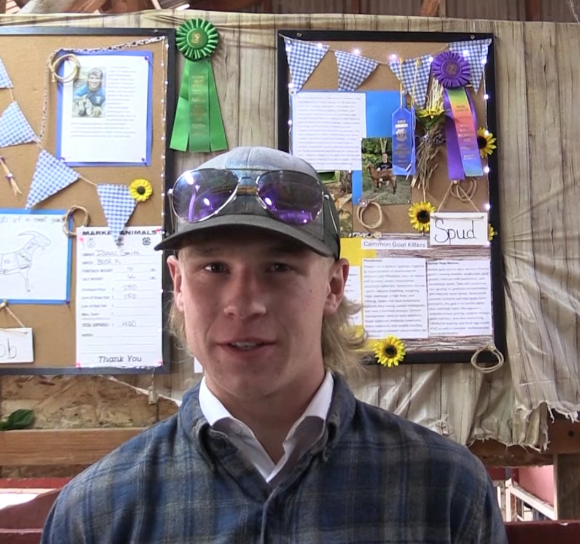
Isaac Smith, E. Wenatchee Grange Youth Member
Isaac Smith tells why he has been involved with the Grange in his hometown for the last five years.

Doug White, founder, Rural Americans United
“The early Grange was basically a cooperative of farmers, but it impacted politics in a very significant way.”
Resistance is Rural is the latest documentary project by Leslee Goodman, who produced and directed the award-winning Twisp: The Power of Community, and produced The Doctrine of Recovery, which won the Indigenous Futures Award at the 2022 Social Justice Film Festival and the Feature Documentary Award at the 2023 Dreamspeakers Festival. She lives in rural Twisp, Washington, and is a proud member of the Twisp Valley Grange.
Let’s Stay in Touch
Want to join our mailing list and follow along as the film progresses?
Be A Producer
I am seeking sponsors to underwrite the costs of this film, including archival footage, music rights, website hosting, location costs, film festival entry fees, and my own time in the editing suite. Click on the link to make a secure online donation via Stripe. I will gratefully acknowledge your support in the film’s credits and here on the website!
If you would like your contribution to qualify for a tax deduction, please make your check payable to TwispWorks Foundation, which has agreed to be my fiscal sponsor. Write “Resistance is Rural” in the memo line and mail to:
TwispWorks, PO Box 264, Twisp, WA 98856.
History
The American Grange Movement was born in 1867, the post-Civil War era, that brought many challenges to rural communities. This was the Gilded Age of America, a time of rapid industrialization, particularly in the North and West, with major growth in railroads, steel, coal, and manufacturing.
The benefits of industrialization bypassed rural America, however, as they did most Americans. While industrialists like John D. Rockefeller, Andrew Carnegie, Cornelius Vanderbilt, Leland Stanford, and J.P. Morgan built great wealth and political power, earning the nicknames “captains of industry” and “robber barons,” the era was also characterized by widespread poverty and inequality. Immigrants, drawn by higher wages than in Europe, often lived in crowded, unsanitary tenements in industrial cities, while rural Americans faced their own challenges.
Among them were:
Economic Vulnerability: Farmers faced dwindling crop prices, exorbitant freight rates from railroad monopolies, and usurious interest rates from banks. At the mercy of forces far beyond their control, family farms fell victim to crushing debt and foreclosures.
Lack of Information: Although between 80% and 85% of Americans lived in rural areas, country schoolhouses were few and far between. Children were needed as laborers on the farm, and as a result, only half received any formal schooling at all. Similarly, information about modern agricultural techniques and technology was slow to arrive, leaving farmers to work with outdated methods, unaware of innovations that could improve their yields or protect their livelihoods.
Social Isolation: Beyond the hard work, low pay, and other economic difficulties, rural life was profoundly lonely. In the South, many young men had died in battle, and many who remained migrated to cities in search of opportunity. There was a desperate need for connection, shared experiences, and the simple comfort of companionship.
Political Disenfranchisement: Despite being the backbone of the nation’s economy, farmers felt that their voices were unheard in the political arena. They were geographically dispersed and lacked a unified platform to advocate for their interests against powerful industrial and financial lobbies.
It was a period ripe for change, a moment when inherently independent farmers began to come together to rebuild their communities and champion their own causes. It was time for the Patrons of Husbandry, or as more commonly known, the American Grange Movement.
Donate
To donate…